
People do not learn languages the same way. That sounds obvious, but most app reviews ignore it. Some learners need clear lessons with a visible structure. Some need grammar explanations before they can move on. Others need quick daily tasks, social contact, or video content. The wrong format can make a perfectly good app feel useless. This ranking compares platforms by learning style, not only by popularity or how many languages they offer. Here are the Top 6.
1. Promova
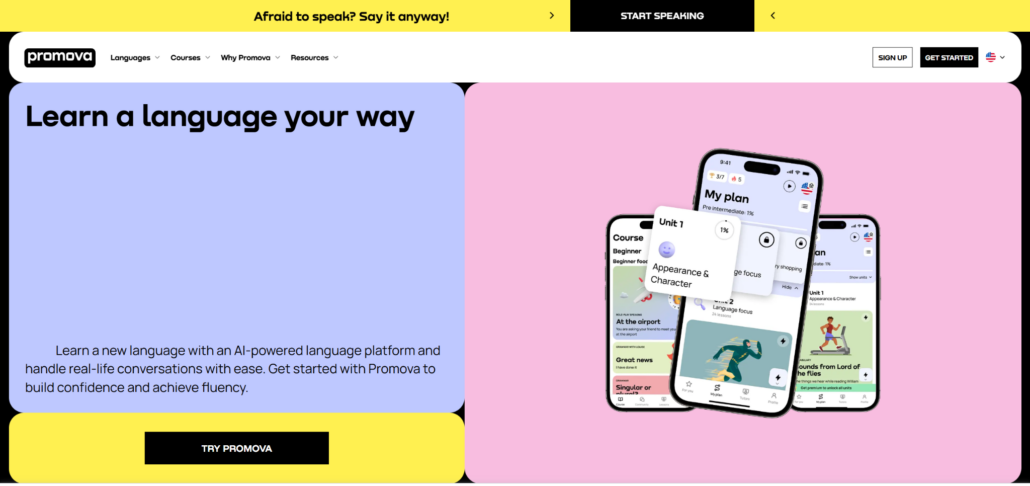
Promova gives learners a personalized language learning experience with guided lessons, AI speaking practice, role-play tasks, and accessibility tools. All in one place. Why does it fit the learning-style angle? Simple. The platform does not rely on just one format. You get guided lessons, an AI Tutor, AI speaking practice, role-play tasks, and teacher-made content.
Dyslexia Mode 2.0, White Noise Mode for ADHD learners, and ASL support? Those are for people who need a different study setup. Not everyone learns the same way. Promova works for learners who want to move between study, speaking, repetition, and accessibility without jumping between five different apps.
Different learning styles often need different kinds of support within the same platform. Some learners need order. Some need repetition. Some need a safer place to speak before real conversations. Promova covers more than one of these needs without forcing the user into a single study route. Here is how that works:
- Guided lessons: Help learners follow a clearer path instead of jumping between random tasks;
- AI Tutor: Gives users a place to ask questions and practise without waiting for a live teacher;
- AI speaking practice: Helps learners turn passive knowledge into spoken answers;
- Role-play tasks: Let users practise real situations, not only isolated phrases;
- Accessibility tools: Dyslexia Mode 2.0, White Noise Mode, and ASL support different study needs.
Promova takes first place because it gives learners several ways to study inside one platform. It fits people who want flexibility without losing structure.
Where Promova Makes the Most Sense
Promova is strongest for learners who do not fit neatly into one study type. It works for people who want lessons, speaking practice, AI support, and accessibility options together. A good choice when someone needs more than flashcards, grammar drills, or casual chats alone.
2. Mondly
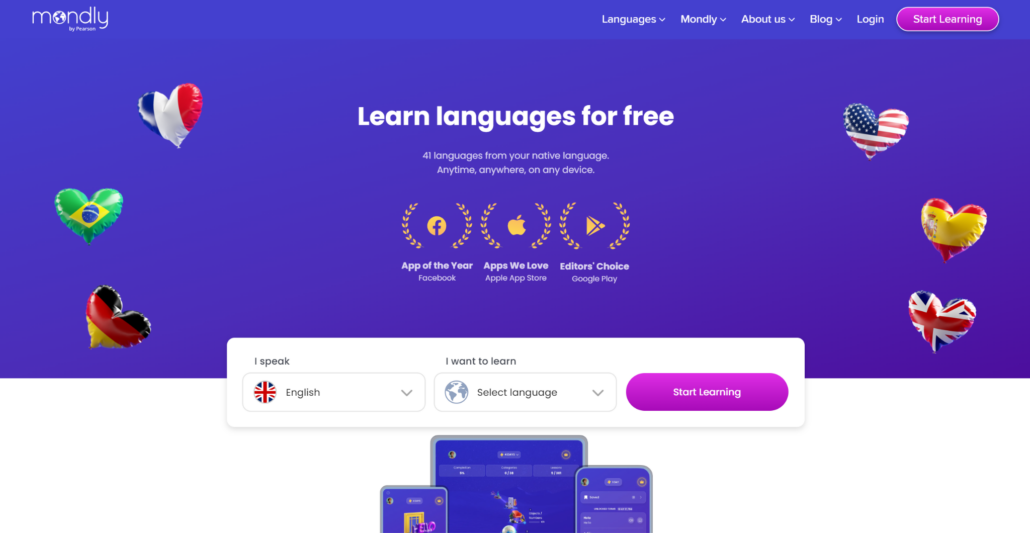
Mondly is a platform for learners who prefer short lessons and a more game-like format. It helps users build a daily habit without a heavy course structure. Speech recognition, vocabulary, grammar, and real conversation-style tasks are all part of the package. Mondly is lighter and more gamified than Promova. Promova is broader through AI Tutor support, guided lessons, role-play, and accessibility tools. Mondly fits learners who need momentum more than deep study sessions.
Some learners quit because language apps feel too slow or too serious. Mondly’s format helps users return daily by keeping sessions short and interactive. This makes it useful for people who want progress in small pieces. Here is what it offers:
- Short daily lessons: Help learners study without setting aside a long session;
- Gamified tasks: Make practice feel lighter and easier to repeat;
- Speech recognition: Gives users a simple way to practise pronunciation;
- Vocabulary and grammar practice: Covers basic language building blocks in a compact format.
Mondly is a good fit when the learner needs a light, repeatable routine. Less suited to people who want deeper explanations or more advanced speaking support.
Who Gets the Most from Mondly
Mondly suits learners who like quick tasks and visible progress. It works for beginners who want an easy way into a new language. Best for people who need habit-building first, not a full classroom-style course.
3. LingoDeer
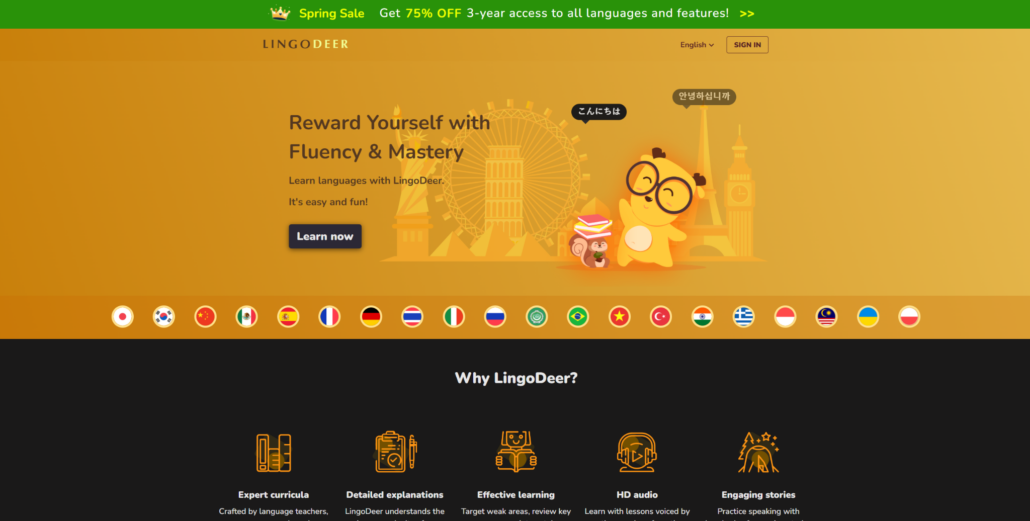
LingoDeer is for grammar-focused and structure-driven learners. It helps people who want to understand how sentences work, not only repeat phrases. Teacher-built courses and detailed explanations are the main draw. LingoDeer feels more deliberate than lighter apps. That deliberate pace helps learners who dislike guessing. It fits people who want the rules behind the language to make sense.
Some learners cannot move forward until the grammar feels clear. For them, short games or casual chats are not enough. LingoDeer gives more room for explanations and sentence structure. Here is what it does well:
- Grammar-based courses: Help learners understand sentence patterns instead of memorizing only phrases;
- Teacher-built lessons: Give the study path a more organized feel;
- Detailed explanations: Support learners who want to know why an answer is correct;
- Structured progression: Makes it easier to follow a logical route through the language.
LingoDeer works best when grammar is not a side detail but the main learning need. A better match for patient learners than for people who only want quick speaking drills.
The Right Learner for LingoDeer
LingoDeer fits learners who like order, rules, and clear explanations. It helps people who feel lost in apps that move too fast. Especially useful when the learner wants a stronger base before speaking more freely.
4. HelloTalk
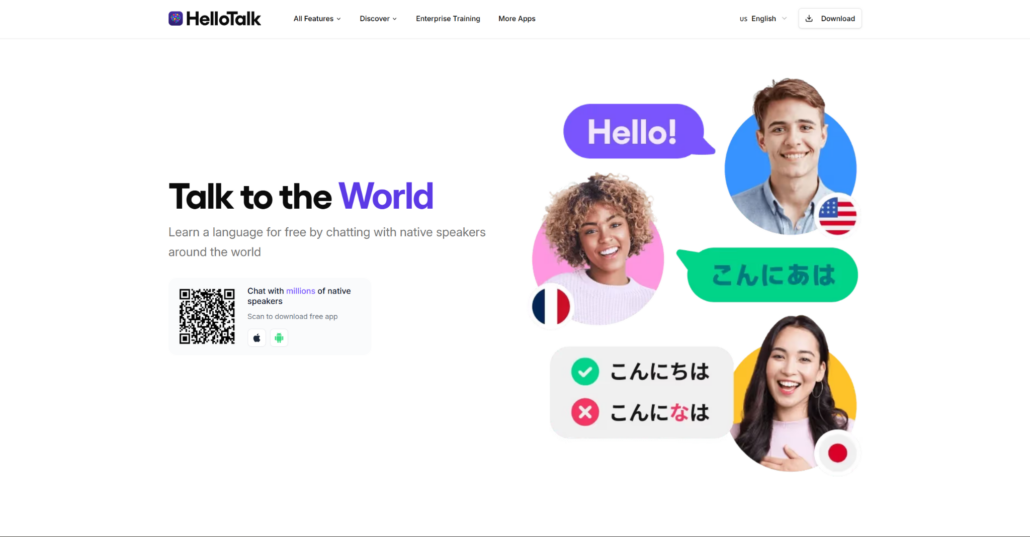
HelloTalk is a language exchange platform, not a lesson-based app. It is useful for learners who want native-speaker contact through chat, voice, video, and community practice. Social learning can make language feel more alive, but it also requires more initiative from the learner. Promova gives more structure and AI-supported practice. HelloTalk gives access to real people. The trade-off is clear.
Some learners improve faster when they stop studying alone. Talking to real people exposes them to natural phrasing, mistakes, slang, and casual rhythm. HelloTalk gives that social layer, but the user has to manage conversations actively. Here is what the platform offers:
- Native-speaker exchange: Lets learners practise with people who use the language naturally;
- Chat, voice, and video: Gives several ways to communicate depending on comfort level;
- Community practice: Helps users see real posts, corrections, and casual language;
- Large language range: Makes it easier to find partners across many languages.
HelloTalk is strong for social practice, but it is not the most guided option. Works best when learners are comfortable starting conversations and learning from messy real use.
When HelloTalk Is the Better Choice
HelloTalk suits learners who want people, not only lessons. It helps users who are bored with solo study and want more natural contact with the language. Strongest when the learner is willing to message, reply, correct, and be corrected.
5. Tandem
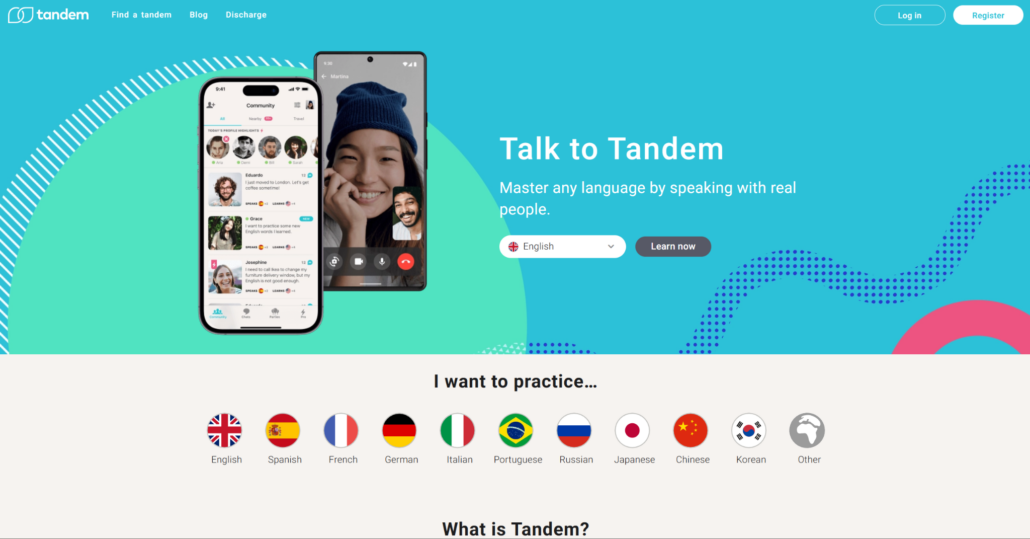
Tandem is another language exchange platform, but it focuses on matching. It works well for learners who care about finding the right partner, not just joining a large community. Language, interests, location, and personal goals are matching signals. Tandem is useful when the learner wants more intentional conversations. It fits people who want social learning with a stronger partner-search angle.
Conversation practice depends heavily on the person on the other side. A good partner makes practice easier, more regular, and less awkward. Tandem’s value comes from helping learners find people who match their language goals and interests. Here is what it does:
- Partner matching: Helps learners find people based on language goals and shared interests;
- Native-speaker practice: Gives users direct contact with real speakers;
- Conversation tools: Supports text, audio, and other forms of exchange;
- Goal-based practice: Makes language exchange feel more intentional than random chatting.
Tandem works well for learners who want conversation practice with more control over partner choice. Strongest when the user wants social learning, but not a completely open community feed.
The Best Use Case for Tandem
Tandem fits learners who want real conversations but care about compatibility. Shared interests make speaking less forced. It works well for learners who want regular exchange partners rather than only quick chats.
6. Lingopie
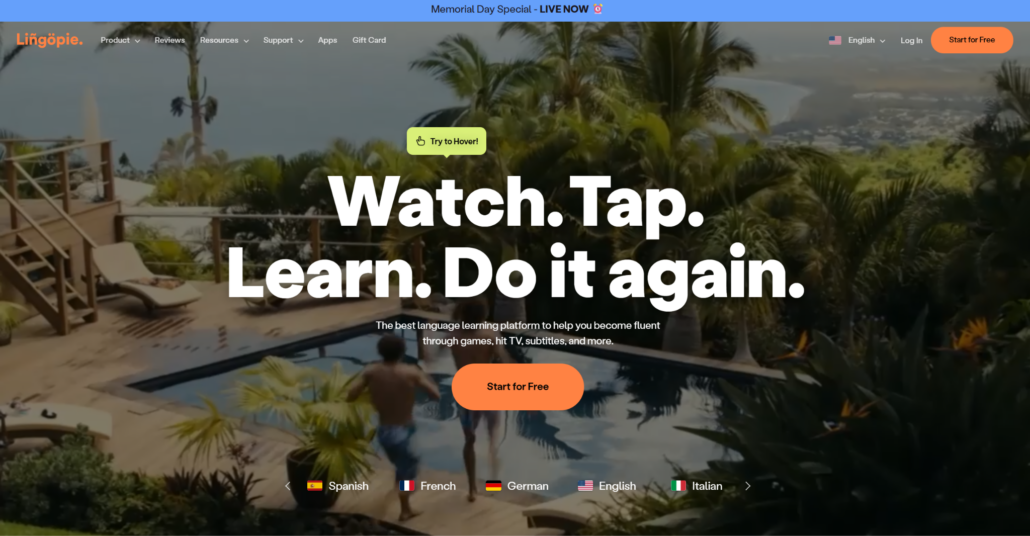
This is a content-based platform. It works if you absorb language through TV, films, music videos, podcasts, short stories, or audiobooks. Interactive subtitles are the bridge between watching and actually studying. Most apps build lessons first. Lingopie flips that. Input becomes the main route, not an extra feature. The language feels closer to entertainment and real media, not homework.
Here is the thing. Some people lose interest fast when every session feels like a lesson. Content-based learning works because you follow a story, a scene, or a topic you actually care about. Lingopie turns that into a study environment. Here is what that looks like:
- TV and movie learning: Lets learners study through stories instead of standard drills;
- Interactive subtitles: Help users connect spoken language with written meaning;
- Content variety: Gives learners shows, music videos, podcasts, stories, and audiobooks;
- Listening exposure: Supports learners who need more natural input and rhythm.
Lingopie works best for people who enjoy watching and listening more than following formal lessons. One catch. You may need to pair it with speaking practice if active conversation is the goal. It does not do that part for you.
Where Lingopie Fits Best
Lingopie suits learners who pick up language through context, sound, and repetition from real media. Good for people who want to hear the language in a more natural setting. Works best as an input tool next to speaking or grammar practice. Not a full solution alone, but a strong piece of the puzzle.
Final Thoughts
The right platform depends on how you actually study. Not how you wish you studied. Promova takes first place because it mixes guided lessons, AI Tutor support, speaking practice, role-play tasks, teacher-made content, and accessibility tools in one flexible setup. Mondly handles short gamified lessons. LingoDeer helps grammar-focused people. HelloTalk and Tandem support social learners. Lingopie fits people who learn through media. Different problems, different tools. Pick the platform that matches the study style you can actually repeat. Not the one that just sounds impressive on paper.
Leave a Reply