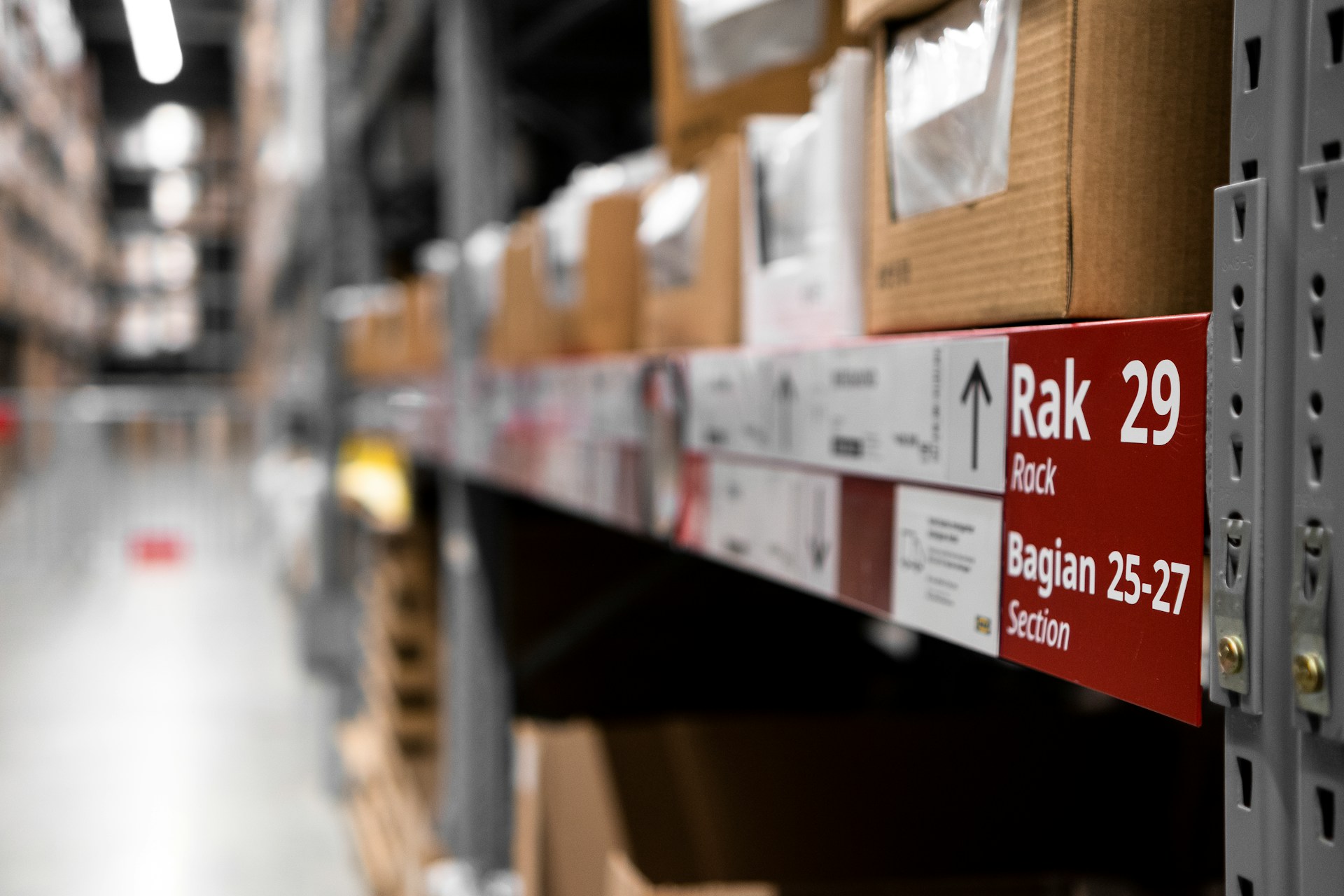
A shelf audit is usually treated as a separate task.
A rep checks the shelf, takes a few photos, logs what is missing or out of place, and moves on. The information is captured correctly, the visit is completed, and the system reflects what was seen.
The part that comes after is less predictable.
Reorders are placed later. Sometimes the same day, sometimes not. Details from the visit are still fresh at first, but they fade quickly as the rep moves on to the next store.
The connection between what was seen and what was done depends on follow-up.
That is where small gaps start to appear.
Why Audits and Orders Drift Apart
The separation between audits and orders is not always intentional.
It often comes from how tools are structured. One system is built for data collection. Another handles transactions. Both work as expected, but they do not share the same moment.
A rep might notice that a product is running low and note it in the audit. The reorder happens later, outside that context.
Most of the time, it works. Sometimes it does not.
An item is forgotten. Quantities are guessed instead of confirmed. A delay pushes the order into the next day. None of these issues are major on their own, but they repeat often enough to affect consistency.
What Changes When Both Happen Together
When audits and order capture are combined, the visit itself becomes more complete.
The rep does not just record what is happening. They respond to it immediately. The shelf becomes the trigger for the action, not just a source of data.
This changes how the process feels.
There is less need to remember details later. Fewer tasks are carried over. The outcome of the visit is clearer because more of it is resolved in the moment.
Not every team needs this level of integration.
But for teams that rely on frequent store visits, it tends to reduce the amount of follow-up work that builds up over time.
1. SimplyDepo
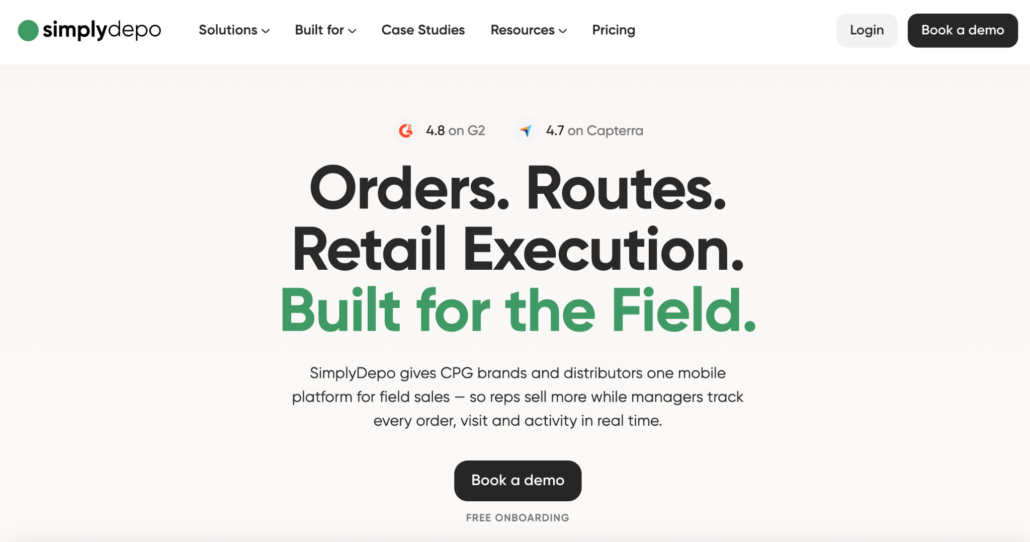
SimplyDepo connects shelf audits directly with ordering inside the same workflow.
A rep can move from checking the shelf to placing an order without switching tools or leaving the context of the visit. The system keeps track of what was observed and what was done in response.
The platform includes:
- Shelf audits and planogram checks
- Photo reporting and visit tracking
- Order capture during store visits
- Route planning and delivery workflows
- Invoicing and accounting connections
What tends to stand out is how naturally the transition happens.
Instead of finishing an audit and thinking about what comes next, the rep continues the process without interruption. The order becomes part of the visit, not a separate task.
For teams that handle both merchandising and sales, this reduces the chances of things slipping between steps.
2. Repsly
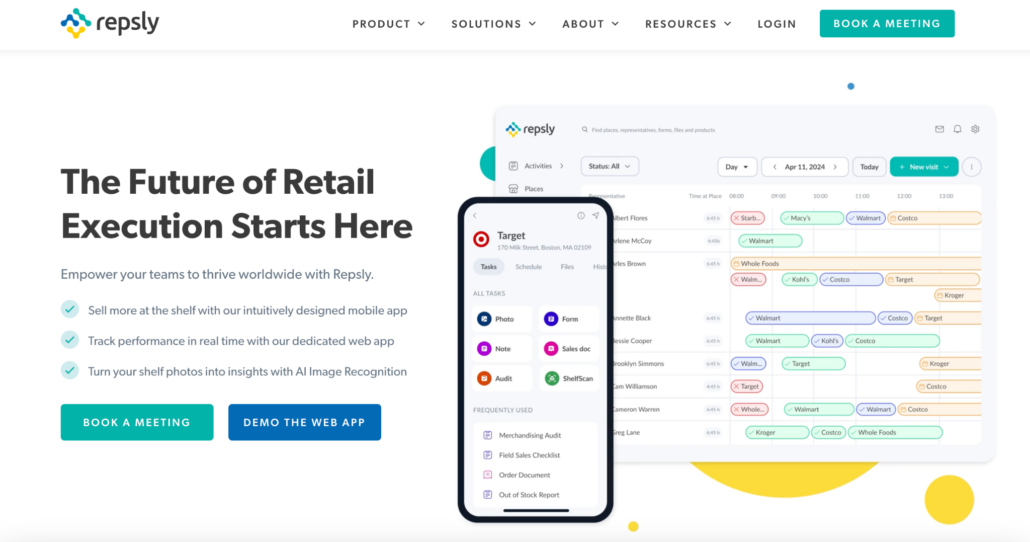
Repsly focuses more on the audit side, but still plays a role in connecting it to decisions.
The platform structures store visits and ensures that information is captured consistently. This gives teams a clear view of what is happening across locations.
Its functionality includes:
- Store audits and task management
- Photo documentation
- Performance tracking
- Team activity monitoring
This creates a reliable foundation for understanding shelf conditions.
Orders are typically handled outside the system, which means the connection between audit and action depends on how the team manages that step.
3. GoSpotCheck (FORM)

GoSpotCheck takes a similar approach with a strong focus on structured data collection.
It organizes audits into predefined workflows and standardizes how information is captured. This makes reporting consistent and easier to analyze.
The platform includes:
- Task-based audit workflows
- Photo surveys and documentation
- Data collection across locations
- Compliance tracking
This works well for teams that prioritize visibility and reporting.
Like other audit-focused tools, it does not directly handle order capture, which keeps the processes separate.
4. Pepperi
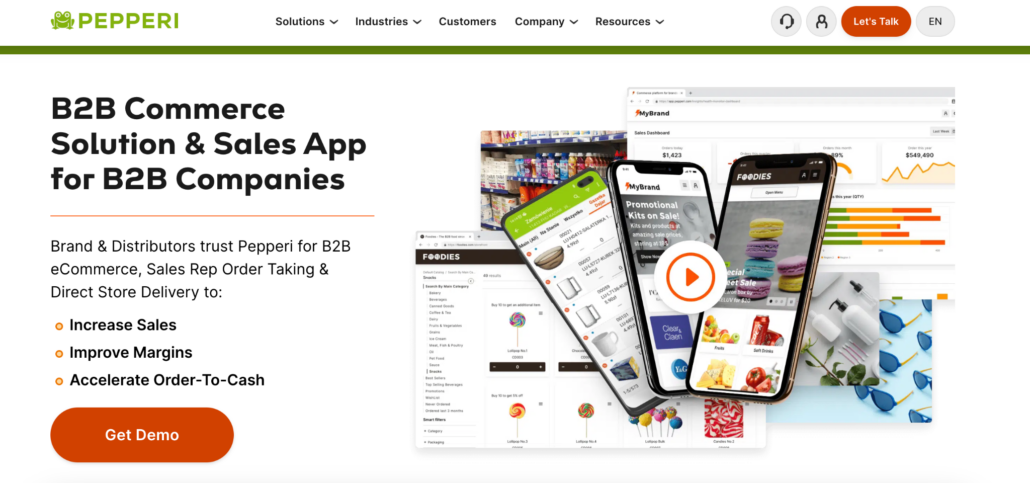
Pepperi connects audits and ordering as part of a broader system.
Instead of focusing only on the shelf or the order, it brings both into a larger operational structure. This allows teams to manage multiple steps without switching platforms.
The platform includes:
- Retail execution workflows
- Order management and pricing
- Product catalogs
- Integration with backend systems
This creates a more unified environment.
The system is built for more complex operations, which means it may require more setup compared to simpler tools.
5. Skynamo

Skynamo approaches the connection from the sales side.
It allows reps to capture orders while they are in the store and access the information they need to make decisions. While audits are not the main focus, the rep can still respond to what they see.
Its functionality includes:
- Mobile order capture
- Customer and account management
- Offline access to data
- Route planning
This supports real-time action during visits.
Teams that need detailed audit workflows may find that part less developed, but for sales-focused processes, it can still cover the connection.
6. Orders in Seconds (OIS)
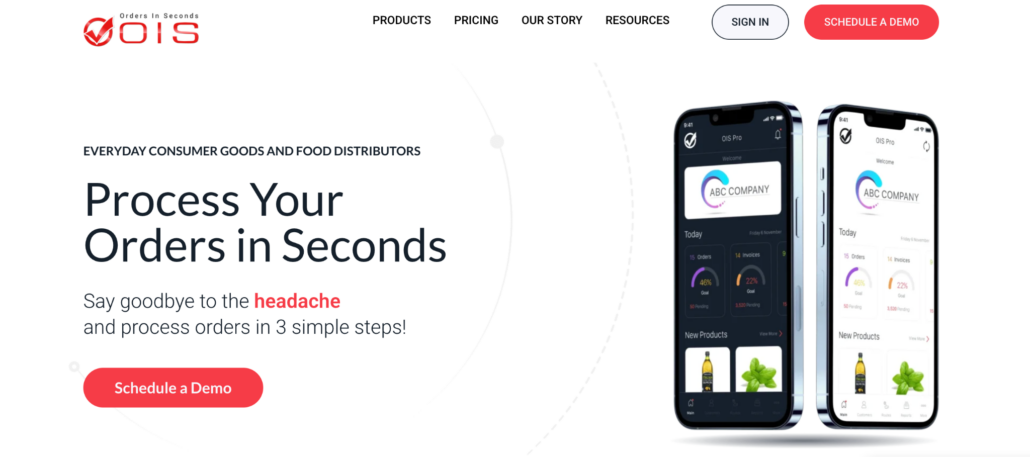
Orders in Seconds focuses on making order capture immediate.
When a rep identifies a need, the system allows them to place the order quickly and move it into fulfillment. This reduces the gap between observation and action.
It includes:
- Fast mobile order entry
- Customer order history
- Inventory visibility
- Integration with accounting systems
This keeps the process direct.
Audit capabilities are limited, which means teams rely more on the rep’s observation rather than structured workflows.
7. B2B Wave
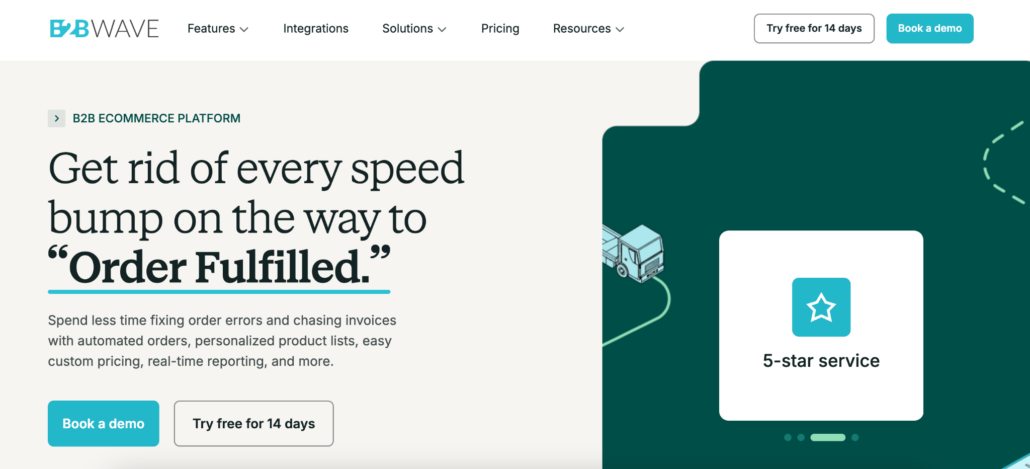
B2B Wave changes the process by shifting ordering away from the visit.
Instead of relying on the rep, customers can place orders themselves through a portal. This removes part of the connection between audits and orders.
The platform includes:
- Online ordering portals
- Customer self-service functionality
- Product catalogs and pricing
- Backend integrations
This can simplify ordering.
At the same time, it reduces the role of the rep in linking what happens on the shelf to what gets ordered.
What This Looks Like in a Real Store
The difference between these approaches becomes clear during a simple visit.
A rep checks the shelf and notices that a product is almost out of stock. The manager mentions that it has been moving faster than usual.
In one setup, the rep logs the information and moves on. The order is handled later.
In another, the rep places the order right there, while the context is still clear.
The situation is the same. The outcome is different.
Why the Timing Matters More Than It Seems
The timing of the action often determines how reliable the process becomes.
When orders are placed later, they depend on memory and follow-up. When they are placed during the visit, they reflect what was actually seen.
Over time, this affects how consistent the results are.
Small differences in timing lead to differences in execution. Not always visible immediately, but noticeable across multiple visits.
Choosing the Right Approach
There is no single way to handle audits and orders.
Some teams prefer to keep them separate and manage each step individually. Others benefit from handling both in the same place.
The decision usually depends on how closely those steps are connected in practice.
If the same person is responsible for both, combining them often reduces friction. If they are handled by different teams, separation may still work.
The tools in this list reflect those different approaches.
The key is not whether both functions exist, but how naturally they connect when the rep is standing in front of the shelf.
Leave a Reply