
Most merchants don’t realize that 71% of online customers will abandon a brand after one disappointing delivery. Instead of seeing tracking as a cost center, smart retailers now treat it as a real loyalty and revenue opportunity.
Modern multi-carrier tools have evolved into engagement platforms. They cut down on support tickets, prevent churn, and encourage additional purchases exactly when customers are most focused.
We focused on platforms that deliver more than just visibility. Key factors in our analysis included strong carrier coverage, genuine marketing capabilities during tracking, reliable APIs for mid-sized businesses, and pricing models that reward growth instead of punishing it. These six firms differ noticeably in their strengths.
What Is Multi-Carrier Tracking Software?
Multi-carrier tracking software brings all your shipment information into one central place. It pulls data from carriers like UPS, FedEx, DHL, USPS, and others, so you don’t have to check multiple websites or portals.
Merchants and customers get a single view of real-time delivery status. Most tools also offer branded tracking pages, automatic email and SMS updates, alerts for delays, and reports on carrier performance.
For e-commerce stores, this solves two big issues. It cuts down on “where’s my order” support questions with proactive updates. Plus, it turns the waiting period — when customers are checking their status — into a chance to build loyalty and even drive extra sales.
Best Multi-Carrier Tracking Software
Not all tracking tools are the same. Your choice depends on whether you need developer flexibility, enterprise carrier breadth, or a full post-purchase experience platform that drives retention and revenue. Below, we break down six options so you can match the tool to your actual priorities.
WISMOlabs – Post-purchase experience platform focused on shipment visibility and customer communication
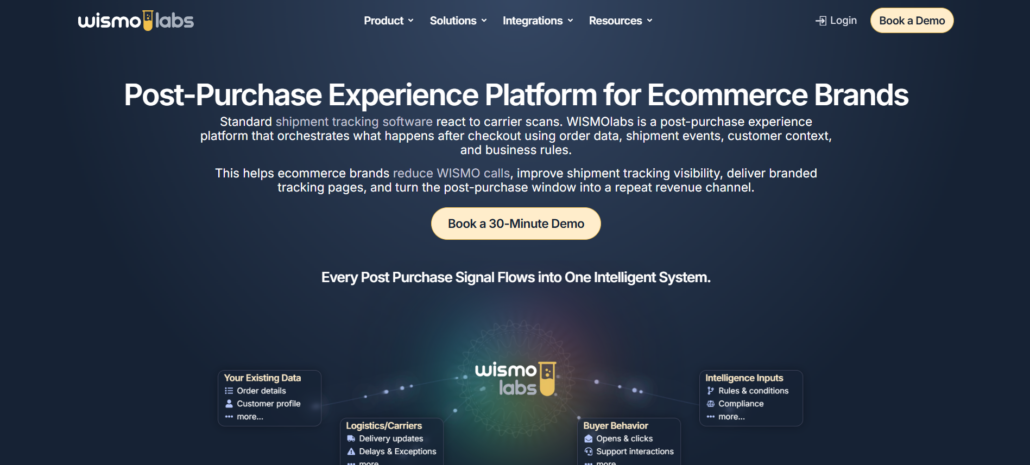
WISMOlabs is a post-purchase experience platform that functions as a contextual customer communication layer between checkout, shipment, delivery, and any follow-up actions. Unlike basic tracking pages, returns tools, or generic post-purchase platforms, it combines logistics data, customer context, and operational insights to help brands manage the stages of the journey where customers typically have the most questions.
The platform supports over 750 carriers and integrates with Shopify, BigCommerce, WooCommerce, and Magento.
What really sets it apart is how it combines real-time synchronization, branded tracking experiences, proactive notifications, and exception handling. This helps retailers dramatically reduce “Where’s my order?” inquiries and keeps them firmly in control of deliveries.
The key difference with WISMOlabs is its ability to pull together logistics data, order details, customer history, and shipping patterns. It cleans up tracking events across carriers and delivers timely, relevant updates.
Communications remain fully branded, so you replace standard carrier pages with ones that reflect your brand. Segmentation tools, smart review requests, and exception handling help inform customers and cut down on support questions.
If you’re looking to go beyond simple tracking, WISMOlabs connects logistics, orders, and customer context into one smooth post-purchase experience.
Key features:
- Multi-carrier shipment tracking across 750+ carriers
- Branded tracking pages and customer-facing tracking portal
- Email, SMS, and webhook-based delivery notifications
- Self-service order lookup
- Shipment exception and delay communication
- Carrier performance analytics and shipment reporting
- Customer engagement analytics
- Segmentation-based post-purchase messaging
- Review-request gating based on delivery context
- Custom implementation and onboarding support
Why Choose This Platform?
WISMOlabs is a strong choice for ecommerce brands that need more than basic tracking tools. Combining shipment visibility with contextual customer communication, it helps reduce WISMO inquiries, improve delivery transparency, and create a more personalized post-purchase experience.
Branded tracking, engagement analytics, and proactive communication help retailers keep customers informed while maintaining greater control over the delivery journey.
AfterShip — Mature tracking infrastructure with unmatched carrier breadth, though post-purchase engagement lags newer competitors

AfterShip stands out mainly because of its massive scale. It connects with over 1,000 carriers worldwide, which makes it a strong choice for merchants shipping across different countries and regions.
The platform does an excellent job with global shipment visibility and automated notifications. This helps cut down on “Where’s my order?” support tickets without needing much manual work. It also handles exception management and large-scale logistics automation quite well.
That said, it feels a bit dated when it comes to turning tracking into revenue. Here’s a quick breakdown:
- Supports more carriers than most competitors
- Automated notifications that reduce support tickets
- API-first design for custom workflows
- Enterprise-grade reliability for high-volume brands
- Limited native upsell and engagement tools
It’s solid logistics infrastructure, but you’ll likely need extra customization if you want your tracking pages to drive sales.
Why Choose This Platform?
Choose AfterShip when carrier breadth outweighs post-purchase conversion needs. Its exhaustive carrier library and stability at scale benefit merchants managing complex international logistics. Automation handles delivery exceptions without manual work, freeing support teams.
Skip it if your tracking page must drive revenue. AfterShip excels at operational visibility but offers underdeveloped engagement tools. Brands focused on upsells, loyalty, or branded experiences will find better options elsewhere.
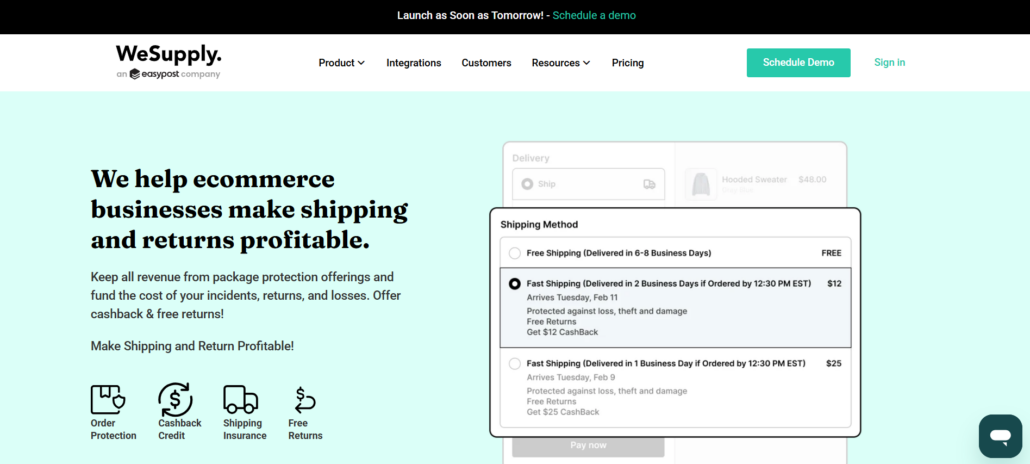
WeSupply Labs — Post-purchase CX platform that turns tracking into a retention and revenue engine
AfterShip stands out mainly because of its massive scale. It connects with over 1,000 carriers worldwide, which makes it a strong choice for merchants shipping across different countries and regions.
The platform does an excellent job with global shipment visibility and automated notifications. This helps cut down on “Where’s my order?” support tickets without needing much manual work. It also handles exception management and large-scale logistics automation quite well.
That said, it feels a bit dated when it comes to turning tracking into revenue. Here’s a quick breakdown:
- Supports more carriers than most competitors
- Automated notifications that reduce support tickets
- API-first design for custom workflows
- Enterprise-grade reliability for high-volume brands
- Limited native upsell and engagement tools
It’s solid logistics infrastructure, but you’ll likely need extra customization if you want your tracking pages to drive sales.
Why Choose This Platform?
WeSupply Labs makes sense for mid-market and enterprise brands prioritizing customer lifetime value over transactional logistics. The platform’s combined tracking-returns-loyalty architecture reduces operational complexity while creating multiple touchpoints to drive repeat purchases.
Brands struggling with high return rates or low repeat-purchase rates will find the integrated approach more effective than stitching together point solutions. Strong fit for omnichannel retailers needing consistent post-purchase experiences across all customer interaction points.
parcelLab — Enterprise tracking that transforms delivery updates into revenue-generating customer touchpoints
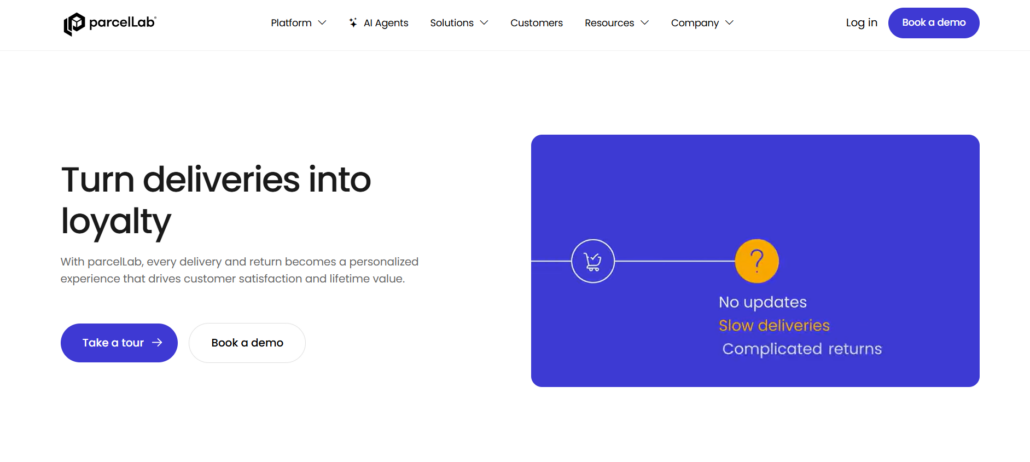
parcelLab stands out because it treats tracking as more than a basic necessity — it’s a post-purchase marketing channel. The platform brings together data from hundreds of carriers while adding upsell opportunities and loyalty prompts into delivery updates and emails.
This strategy pays off for many brands, with 15-20% of tracking page visitors turning into repeat buyers. It also manages delays proactively by triggering helpful messages that can save the relationship and even create extra sales.
Built for scale, it handles heavy traffic without issues, making it suitable for bigger retailers. On the downside, it’s not a quick plug-and-play tool and usually needs some technical work to implement properly.
Key features:
- Supports 850+ global carriers with unified API integration
- Branded tracking pages with embedded product carousels and promotional content
- Automated delay detection triggering customer retention campaigns
- Real-time analytics dashboard measuring post-purchase conversion rates
- Enterprise pricing requires a custom quote with no published tiers
Why Choose This Platform?
parcelLab makes sense for established ecommerce operations, treating post-purchase as a revenue channel rather than a cost center. Brands already investing in customer lifecycle marketing will appreciate how seamlessly tracking data feeds into broader retention strategies, with delivery milestones triggering personalized campaigns based on purchase history and browsing behavior.
The platform’s strength lies in turning the 4-7 day delivery window (when customers check tracking 3-5 times on average) into repeated brand engagement opportunities that drive incremental purchases without additional ad spend.
LateShipment — Proactive delay intelligence that turns shipping problems into retention opportunities
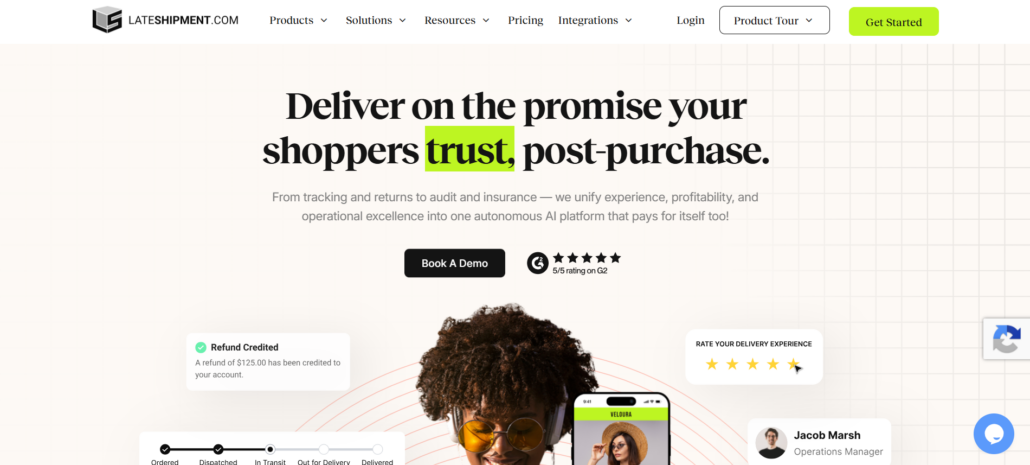
LateShipment doesn’t share much company info, but their tool is clearly built for one thing: catching shipping delays before customers even realize something’s wrong.
It pulls real-time tracking data from multiple carriers and automatically flags problems as soon as they appear. Instead of waiting for frustrated “Where’s my order?” messages to pile up, merchants can reach out first with updates, which helps protect trust and keeps customers from jumping ship.
On top of that, the platform shows which carriers are consistently underperforming. This gives teams useful data when negotiating rates or choosing better routes — savings that add up fast over time.
The retention side is especially smart. A late delivery isn’t just annoying — it creates an opening for competitors. LateShipment’s alerts let brands quickly offer discounts, faster replacements, or loyalty rewards while the customer is still paying attention. That turns a potential headache into a chance to actually strengthen the relationship.
Key features:
- Real-time tracking across 100+ carriers
- Automatic delay alerts that trigger retention actions
- Carrier scorecards highlighting weak performers
- Proactive updates that can cut “Where is my order?” tickets by 40%+
- Pricing isn’t listed publicly — you’ll need to speak with sales
Why Choose This Platform?
Businesses losing margin to delivery failures and heavy customer service workloads usually notice quick value from LateShipment. It doesn’t matter which carriers you work with — the delay detection runs reliably across all of them.
This is especially valuable for brands selling higher-ticket products, where keeping one customer can easily justify the entire platform cost. At the same time, the carrier performance insights give operations teams much-needed clarity.
Procurement can finally use real data to renegotiate terms or move business to stronger logistics partners, making the whole system far more strategic than basic tracking tools.
Parcel Perform — AI-powered delivery intelligence platform that prioritizes operational visibility and SLA control over basic shipment tracking
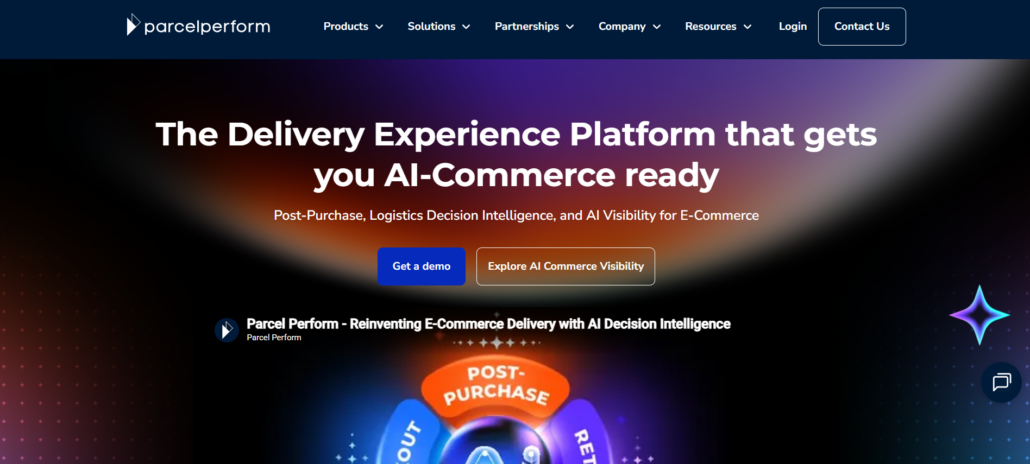
Parcel Perform delivers a comprehensive platform centered on AI-driven delivery insights and customer engagement. It goes far beyond basic tracking by combining shipment visibility, notifications, upsells, and SLA management.
The system connects with more than 1,100 carriers and organizes messy logistics data into one clear dashboard. Retailers get better operational performance and stronger customer experiences as a result.
Its real strength lies in delivery optimization. Main features include:
- AI-powered data harmonization across 1,100+ carriers
- Custom-branded tracking pages with product recommendations
- Proactive notifications using 88+ triggers
- No-code campaign builder for upsells and repeat buys
- End-to-end SLA monitoring from checkout to returns
- Advanced analytics and performance recommendations
Teams dealing with high delivery volumes often find this broader approach very helpful.
Why Choose This Platform?
Parcel Perform is for brands that outgrow basic tracking. AI-powered delivery intelligence, carrier analytics, proactive notifications, and SLA monitoring cut WISMO inquiries while improving delivery visibility. Ideal for retailers juggling multiple carriers or international logistics.
The platform’s insights and campaign tools also convert post-purchase moments into retention and repeat revenue.
Conclusion
Selecting the right multi-carrier tracking software depends on your specific operational priorities and technical resources. Some platforms prioritize developer flexibility and API control. Others focus on carrier breadth across global logistics networks. A third group builds in returns management, loyalty features, or AI-driven delivery intelligence.
No single platform excels at every dimension. Review your support ticket volume, return rates, and customer feedback on delivery experiences. Use that data to identify your weakest post-purchase touchpoint, then trial the platform that addresses that specific gap.
Leave a Reply