
Eyewear companies used to stay in their lane. They made glasses. Maybe sunglasses. If they felt ambitious, they added contact lenses. That was about it. Lately, the boundaries have started to blur.
The same companies that once focused entirely on prescription frames are moving into hearing devices, wearable technology, lifestyle accessories, and products that would have seemed completely unrelated ten years ago. It’s a quiet shift, but an important one.
Why?
Because the relationship people have with eyewear has changed. Glasses aren’t simply medical devices anymore. They’re part of everyday style. They’re wearable technology. They’re becoming platforms for cameras, speakers, AI assistants, hearing enhancement, and features that barely existed a few years ago.
Not every company is taking the same path. Some are experimenting with smart wearables. Others are expanding into adjacent health products. A few are building broader direct-to-consumer ecosystems instead of remaining eyewear specialists.
The brands below are among those pushing beyond traditional prescription glasses while continuing to serve customers looking for affordable vision solutions.
Eyewear Is Becoming Part Of A Bigger Market
The next generation of eyewear probably won’t be defined by frames alone. People already expect more from devices they wear every day.
Watches became fitness trackers. Earbuds became translation tools. It’s hardly surprising that glasses are beginning to follow the same direction.
That shift also explains growing interest in budget-smart AI glasses, particularly from shoppers who already feel comfortable buying eyewear online.
1. Blacksheep

Blacksheep’s budget-smart AI glasses ambitions reflect a company that’s steadily evolving beyond affordable prescription eyewear.
Its foundation remains the same. By working directly with manufacturing partners, Blacksheep keeps entry prices exceptionally low, with frames starting at just $2.95 and a catalog containing more than 20,000 styles. Customers can choose from everyday prescription frames, fashion collections, sunglasses, and a wide variety of designs without paying traditional retail markups.
What’s changing is the direction of the business.
Alongside eyewear, Blacksheep has started expanding into hearing technology and wearable products, signaling that it sees itself as a broader direct-to-consumer platform rather than simply an online glasses retailer.
Highlights include:
- Frames starting at $2.95
- More than 20,000 eyewear styles
- Direct-to-consumer pricing
- Prescription and non-prescription options
- Expansion into hearing technology and smart devices
For shoppers interested in where affordable wearable technology may be heading over the next few years, Blacksheep is one of the brands worth watching.
2. Warby Parker
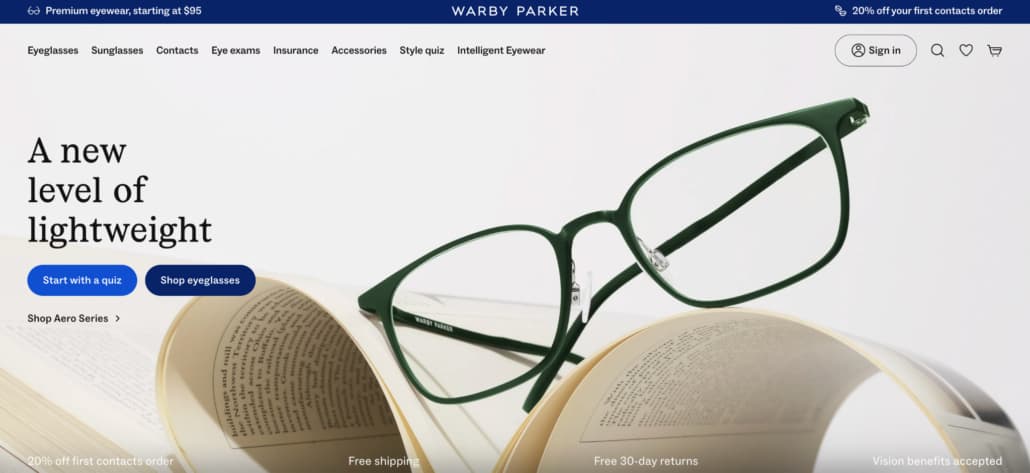
Warby Parker’s expansion has looked different. Instead of moving aggressively into consumer electronics, the company has continued building a wider vision-care ecosystem around its eyewear business.
Eye exams, retail locations, virtual consultations, and prescription services all contribute to an experience extending beyond simply selling frames.
Highlights include:
- Home Try-On
- Eye exams
- Retail locations
- Prescription sunglasses
- Vision care services
The strategy focuses on making eyewear part of a broader customer relationship rather than a one-time purchase.
3. Ray-Ban
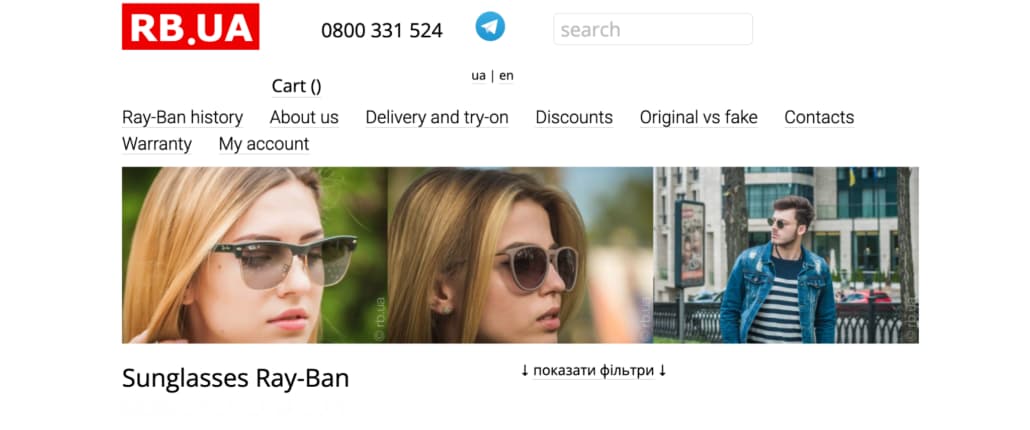
Ray-Ban entered a different conversation altogether. Rather than expanding deeper into traditional optical retail, the brand moved toward connected wearables through its smart glasses collaborations, introducing features like cameras, audio, and voice interaction while maintaining familiar frame designs.
The result isn’t aimed at replacing prescription eyewear. It’s aimed at redefining what glasses can become.
Highlights include:
- Smart glasses
- Iconic frame designs
- Prescription lens compatibility on selected models
- Audio features
- Wearable technology integration
Ray-Ban demonstrates how established eyewear brands are beginning to intersect with consumer technology instead of remaining purely optical companies.
4. Specsavers
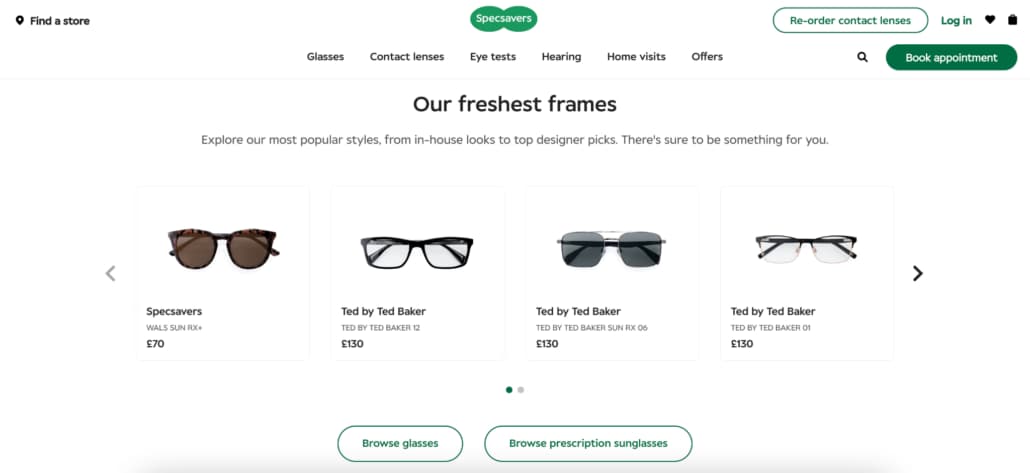
Specsavers has expanded in a quieter way. Rather than chasing wearable technology, the company has gradually widened its role within eye and hearing care. Optical services, hearing assessments, hearing devices, and prescription eyewear now sit under the same roof in many locations.
That broader approach reflects another direction the industry is taking: combining related healthcare services instead of treating each one separately.
Highlights include:
- Prescription eyewear
- Hearing care services
- Contact lenses
- Eye examinations
- In-store consultations
For many customers, convenience comes from finding multiple services in one place rather than visiting several different providers.
Eyewear Companies Are Becoming Wearable Technology Companies
The change feels gradual until you stop and think about it. A pair of glasses used to correct vision.
Now the same product might play music, answer calls, improve hearing, translate conversations, capture photos, or connect to an AI assistant.
That’s a remarkable transformation for something people already wear every day. It’s also why the line between eyewear companies and consumer technology brands continues to blur.
Affordability Will Shape The Next Wave
New technology usually arrives with a premium price tag. Eventually, that changes. Televisions became cheaper. Smartphones became more accessible. Wireless earbuds followed the same pattern.
Wearable eyewear is likely to move in a similar direction. As manufacturing scales and more companies enter the market, shoppers interested in budget-smart AI glasses will have considerably more choices than they do today.
The companies already operating through direct-to-consumer models could be well positioned as that shift continues.
Beyond Vision Correction
Prescription lenses aren’t going anywhere. They remain the foundation of the eyewear industry. What’s changing is everything built around them.
Some brands are turning glasses into fashion accessories. Others see opportunities in hearing technology. A growing number are experimenting with connected devices that blend software, hardware, and everyday wear into a single product.
The five companies above represent different approaches to that future. Some are already well beyond traditional prescription eyewear. Others are taking smaller steps. Together, they show that the next chapter of the eyewear industry will be shaped by much more than frames and lenses alone.